Glendale, Burbank, Beverly Hills, Los Angeles CA
Glendale, Burbank, Beverly Hills, Los Angeles CA

March is Worldwide Endometriosis Awareness Month — EndoMarch. In this post we describe some of the most common symptoms of this chronic and painful condition so you know when to see your OG/GYN for treatment.

Irregular periods can happen for a number of reasons, but one of the most common is because you have polycystic ovary syndrome, or PCOS. It’s possible, even likely, that you could have PCOS and not know it.

Urinary incontinence, or involuntary loss of urine, is an incredibly common problem among women. It is not something that you just have to live with. Here, we discuss the four main types of incontinence, and effective treatments.

Bleeding between periods is annoying, but usually not a reason to be worried. If it occurs repeatedly, or you have cramps that disrupt your life along with spotting, you should see your doctor.

An important aspect of reproductive health is understanding what can affect your fertility. Certain health conditions can make getting pregnant more difficult. Here, we discuss three of them: PCOS, endometriosis, and uterine fibroids.
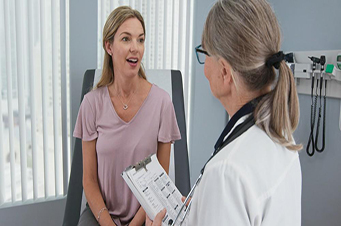
Most women know that an average menstrual cycle is 28 days. But, it’s possible for that length to vary and still be normal or regular. How do you know if you have irregular menses? And if you do, what should you do about it?